
Instagram Algorithm 2026
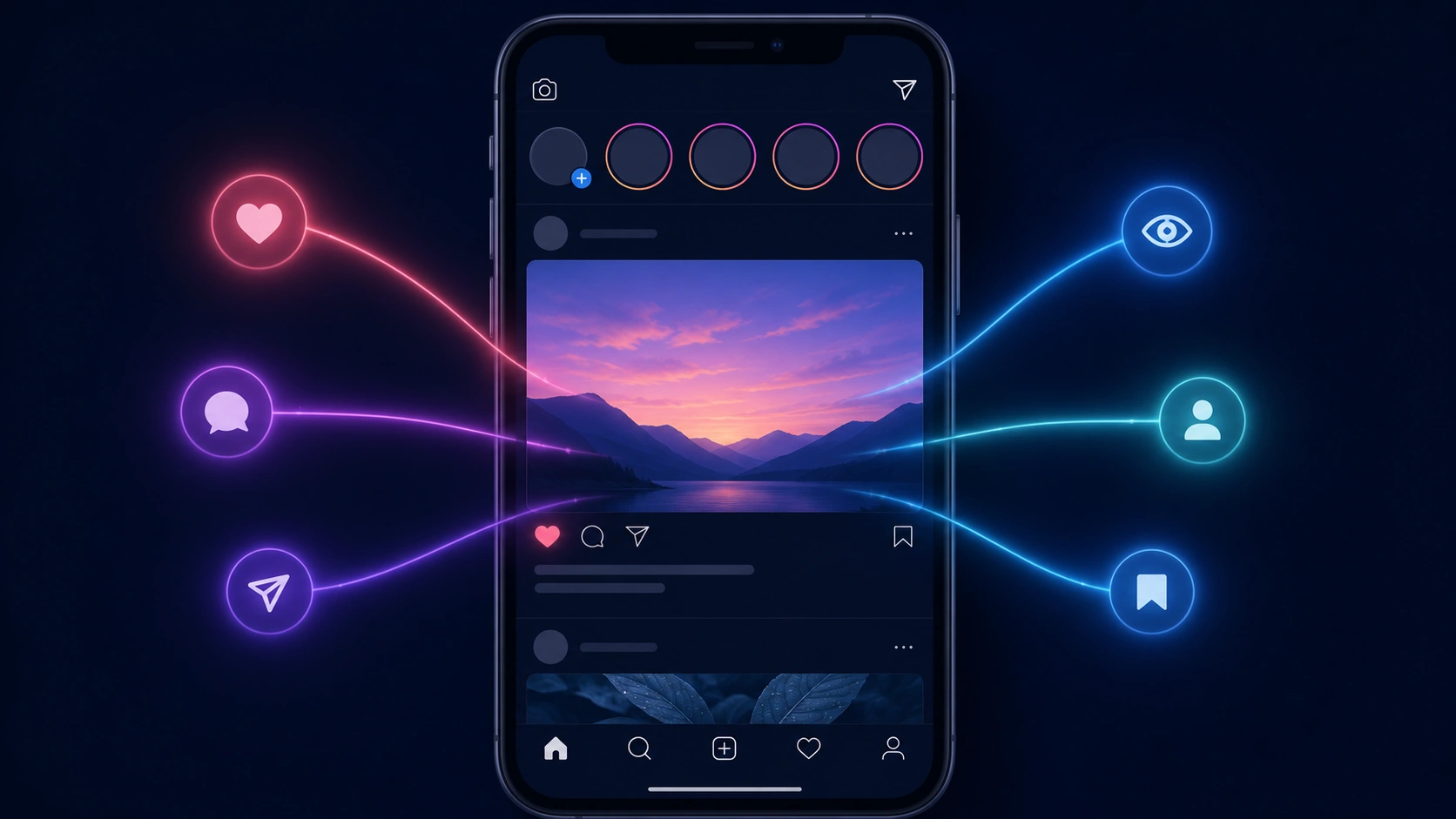
If your Instagram reach dropped this year, you’re not imagining it. Instagram rolled out its most significant algorithm overhaul since the introduction of Reels in early 2026 — and the creators who don’t understand what changed are quietly losing 30–50% of their organic distribution without knowing why.
This guide breaks down every confirmed change, what signals actually matter now, and what to do differently starting this week.
There Is No Single Instagram Algorithm
The most important thing to understand: Instagram doesn’t use one algorithm. It uses separate AI ranking systems for Feed, Reels, Stories, and Explore — and each one weighs signals differently. Content that performs brilliantly in Reels might never show up in Explore. A post your followers love in Feed might get zero Explore distribution. Knowing which surface you’re optimizing for changes your entire approach.
The 3 Ranking Signals That Matter Most in 2026
Instagram head Adam Mosseri confirmed three signals that now carry the most weight across all surfaces:
- Watch time — how long viewers actually stay with your content. For Reels specifically, Instagram now measures total watch time and replay rate, not just 3-second views. A 15-second Reel watched three times outranks a 60-second Reel watched once.
- Sends per reach — DM shares are now 3–5x more valuable than likes for reaching new audiences. Content people send directly to a friend is the strongest signal the platform has that something is genuinely valuable.
- Likes per reach — still matters, but carries significantly less weight than the two signals above.
The practical takeaway: before you publish, ask yourself “would someone DM this to a specific person they know?” That question predicts algorithmic performance better than any engagement tip from 2024.

Original Content Now Gets 40–60% More Distribution
This is the biggest single change in 2026. Instagram’s algorithm now uses AI fingerprinting to detect content that was originally posted elsewhere — including TikTok reposts with visible watermarks. Accounts posting 10 or more reposts within 30 days get excluded from Reels and Explore recommendations entirely.
Original content created specifically for Instagram receives up to three times more distribution than repurposed content. Re-editing or natively recreating content for Instagram is now essential, not optional. Cross-posting your TikTok videos without removing the watermark is actively suppressing your reach.
“Your Algorithm” — The Change Most Creators Haven’t Adapted To
Launched in December 2025 and globally rolled out in early 2026, “Your Algorithm” gives every Instagram user a personal dashboard in Settings → Content Preferences. Users can now actively choose which topics they want to see more or less of in their Reels feed — adding topics they want and removing ones they don’t.
The implication is significant: if your content doesn’t fit a clear, recognizable topic, it becomes invisible the moment someone removes a loosely related category from their preferences. Multi-niche accounts are now at structural risk. The algorithm needs to be able to categorize you to recommend you.
What this means in practice: define your lane tightly. Posting about three or four clearly related topics consistently outperforms posting about anything and everything, even if the unrelated content is better quality.
Stories Now Cross-Signal Into Feed Ranking
New in 2026: Instagram now cross-references Story engagement with Feed ranking. Accounts with high Story interaction rates — replies, reactions, poll participation — see their Feed posts ranked higher for those same engaged users. Stories have quietly become a critical lever for maintaining Feed visibility, not just a separate content format.
The practical application: post 3–5 Stories per day using interactive elements. Polls, question boxes, and sliders all count as engagement signals that flow back into how your Feed posts are ranked for that same audience.
Reels: What Still Works and What Doesn’t
Instagram extended Reels to a maximum of 20 minutes in early 2026 and confirmed that longer-form storytelling, tutorials, and behind-the-scenes content are now eligible for Explore distribution — provided they hold attention throughout. This opens a surface most creators aren’t competing on yet.
For shorter Reels, watch completion rate is now the primary ranking metric. The first 2–3 seconds must either present a compelling question, an unusual visual, or a clear statement of value. Content that gets replayed — a dense tutorial, a fast-paced tip, a visual that rewards a second look — is exactly what the algorithm rewards.
Trial Reels (available for accounts with 1,000+ followers) let you test content with non-followers before showing it to your existing audience. Use it as a testing ground: if a Trial Reel performs well with cold audiences in terms of watch time and shares, that’s a strong signal to post it broadly.
What Stopped Working in 2026
Several tactics that were standard practice in 2024 are now actively hurting reach:
- Large hashtag stacks. Using 20–30 hashtags is now treated as a spam signal, not a distribution strategy. Instagram recommends 3–5 highly relevant hashtags. Top-performing creators are increasingly using none at all.
- Posting without captions. Instagram’s automatic transcription for video is now indexed for search. Captions also help the algorithm correctly categorize your content for recommendation. Adam Mosseri has publicly listed captions as a Reels ranking factor.
- Irregular posting schedules. If you go quiet for two weeks, your next post will not immediately resume at previous reach levels. The algorithm now has a longer recovery window than it used to, and consistency carries more weight in 2026 than before.
Instagram SEO: The Most Underused Opportunity Right Now
Keyword relevance now affects reach on Explore, the Reels tab, and the grid-browse feature for non-followers. This cross-surface SEO update is the single most underused opportunity in 2026 for creators who haven’t yet adapted.
How to optimize for it: write captions as if someone is searching for the answer your post provides. Include the specific keyword phrase in the first sentence of your caption — Instagram’s indexing weights opening text more heavily, similar to how Google weights H1 headings. Add alt text on every image (most creators still ignore this). Speak your keywords in Reels within the first ten seconds — Instagram’s automatic transcription is indexed for search.
The Carousel Comeback: Secondary Distribution
In February 2026, Instagram introduced secondary distribution for carousels: posts with high swipe-through rates get a second round of distribution to non-followers roughly 48–72 hours after the initial post. This creates a structural advantage for educational, listicle, and step-by-step content.
Carousels now support up to 20 slides. More slides create more re-engagement opportunities from a single post. If someone doesn’t swipe through your entire carousel the first time, Instagram reshows the post later with the unseen slides — giving you a second chance at the same audience.
The Bottom Line
The 2026 Instagram algorithm rewards creators who make original content for a specific niche, optimize for watch time and DM shares rather than likes, stay consistent, and use Stories as an active engagement tool rather than an afterthought. The creators seeing the biggest gains this year aren’t doing more — they’re doing the right things with a clearer focus.
More articles
Best Time to Post on Instagram
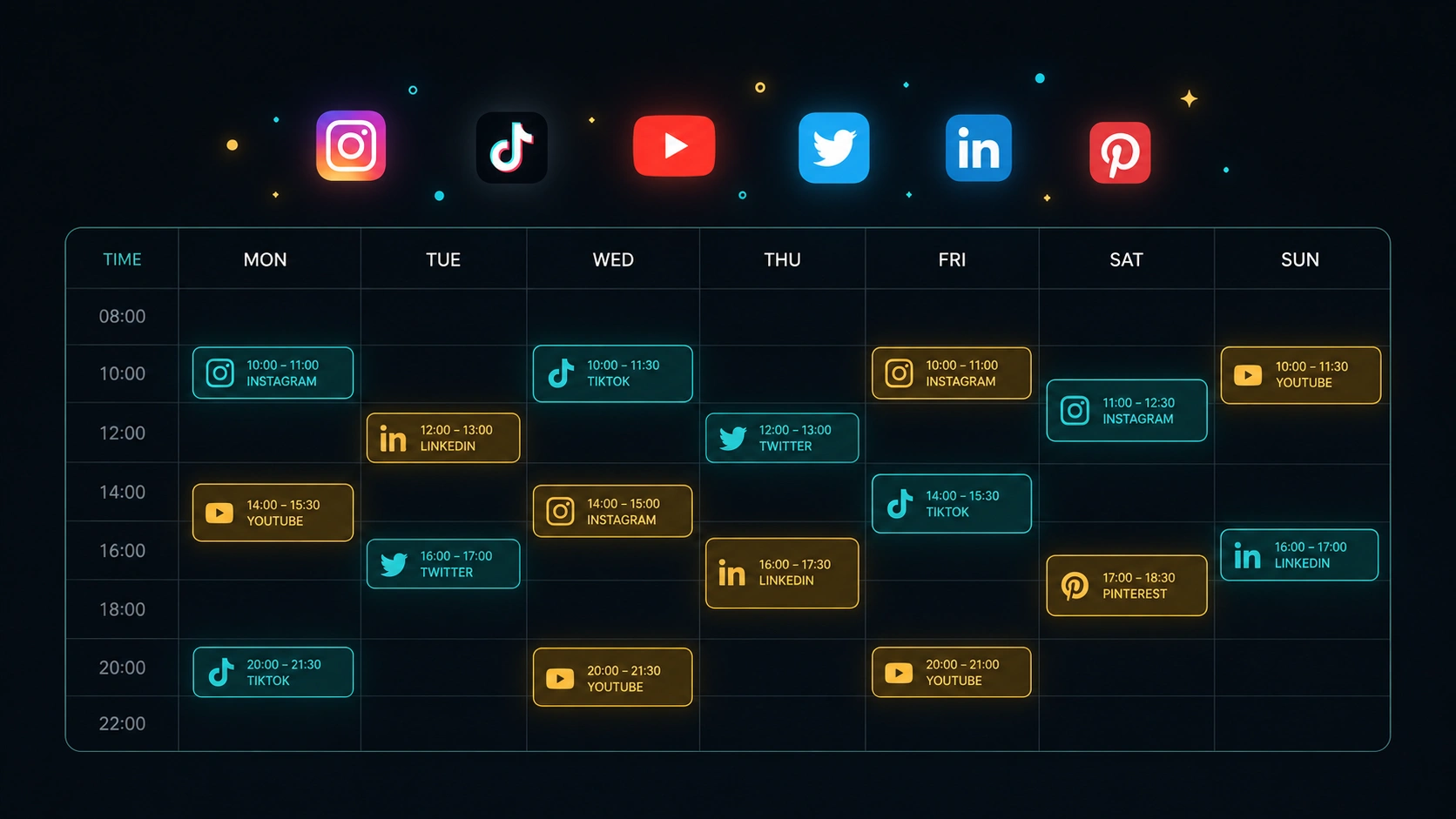
Posting at the wrong time on Instagram in 2026 doesn’t just hurt one post — it can suppress your reach for days. Instagram’s algorithm weighs engagement velocity in the first 30–60 minutes heavily, meaning a great post published when your audience is offline has no chance to build the momentum needed for broader distribution. Here’s […]
The Best Place to Buy Instagram Followers Safely in 2026
As of April 2026, the dominant visual social platform has evolved. Organic reach is now heavily dictated by short-form video recommendations rather than the chronological feeds of your existing network. While acquiring a synthetic subscriber base is a widespread tactic for boosting initial “social proof,” it is critical to understand the core reality: these purchased […]
150+ Best Vacation Instagram Captions to Make Your Travel Photos Pop
Planning your dream vacation is exciting, but finding the perfect words to accompany those stunning photos can be challenging. Whether you’re lounging on a tropical beach, exploring ancient ruins, or hiking breathtaking mountains, the right caption can elevate your Instagram post from ordinary to unforgettable. You’ve packed your bags for the family vacation, created memories, […]